
"can drain"
2000 article(s) found

San Romano Costa Rica, Costa Rica, California
Costa Ricans say coffee has changed the country and made it possible to enjoy a rich environment.Although Costa Rica ranks third from the bottom of the Central American landmass, its economic environment is better than half of that of other countries.Because of its rich people and stable society, Costa Rica has the spare time to care about environmental issues.
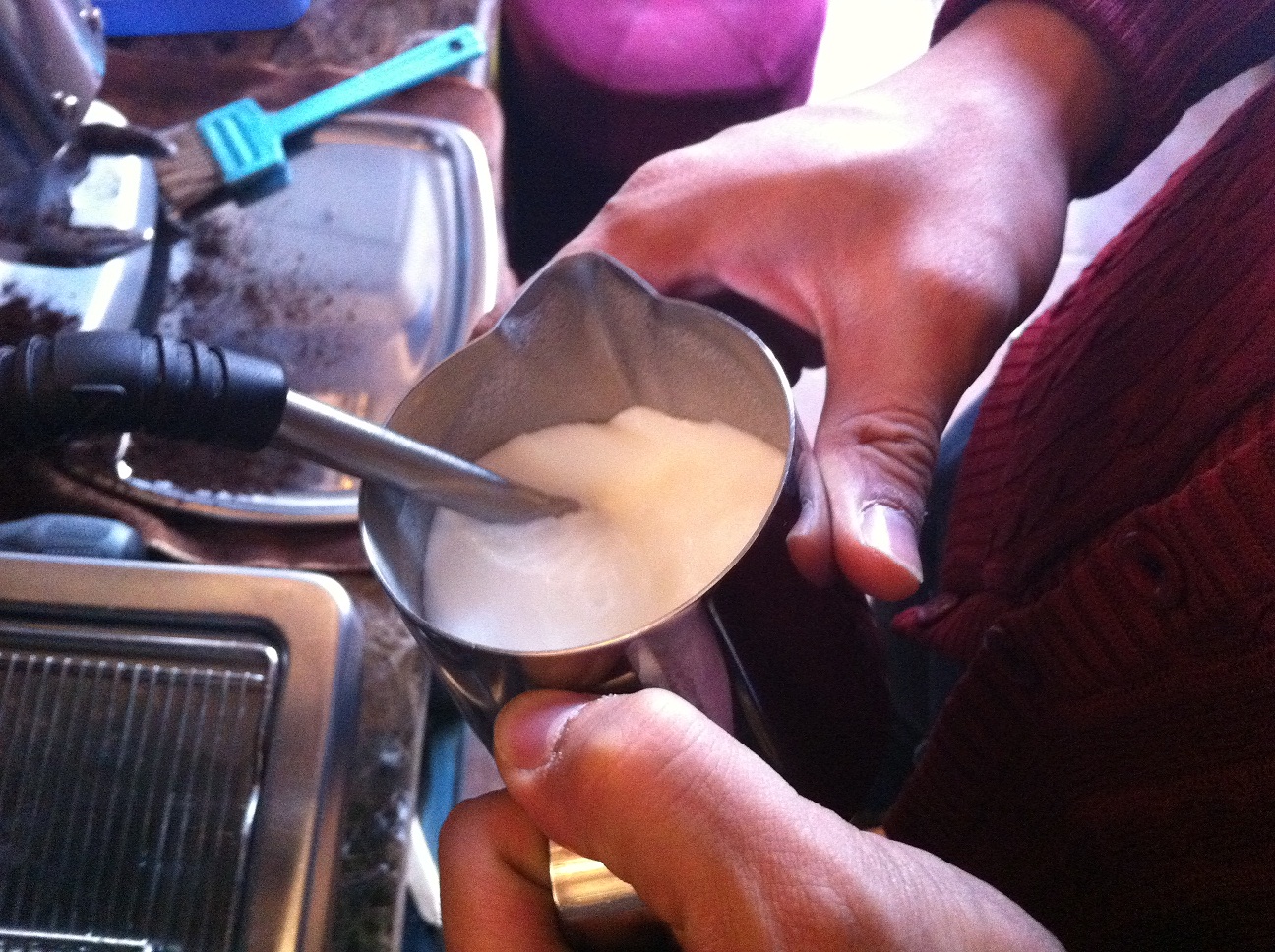
The skill of making latte to beat milk how to beat the foam and heat the milk with the steam of the coffee machine
Italian coffee machine foam skills 1, do not put the steam pipe into the milk, because there may be some condensed water vapor in the steam pipe, so before preparing to foam, you need to put it for a while to drain the excess water from the pipe. 2. Beginners can insert the thermometer into the container, and then insert the steam pipe obliquely into the milk

Costa Rican Coffee-Origin Flavor Taste Estate Introduction Costa Rican Coffee Flavor
Costa Rican Coffee-Origin Tarrazu, Costa Rica, is one of the world's leading coffee producers, producing coffee with a light, pure flavor and pleasant aroma. Costa Rica's volcanic soils are fertile and well drained, making it the first country in Central America to grow coffee and bananas for commercial value. Coffee and bananas are the country's main exports. 1729

Six prerequisites for making perfect coffee to buy high-quality coffee beans
We already know the golden ratio of coffee with perfect taste. So, what is the premise of making perfect coffee? 1. Buy high-quality coffee beans-it is best to choose whole beans rather than ground coffee powder;-although high-quality coffee can be preserved for a year after roasting, most coffee beans reach the strongest aroma in a few days after roasting, and then the aroma of coffee slowly fades, so the most

Costa Rican Coffee Flavor Description Grind Characteristics Variety Producing area Fine coffee beans Introduction
Coffee was introduced to Costa Rica from Cuba in 1729, and today its coffee industry is one of the most well-organized in the world, producing up to 1700 kilograms per hectare. Costa Rica has a population of 3.5 million, but coffee trees number 400 million, and coffee exports account for 25% of the country's total exports. The volcanic soils of Costa Rica are very fertile and well drained, especially in the central part.

How much is a kilo of coffee beans? how to buy coffee beans? Ethiopian native species sun-dried coffee raw bean price
Coffee seeds cannot be grown directly with coffee fruits picked from coffee trees. Peeling coffee fruits is like planting peanuts. If you plant a peanut with a shell in the soil, it cannot sprout. You must plant peanuts. It is the same with medium coffee. If you have coffee fruit in your hand, you can first bask it in the sun and shake it until it is shaken inside.

Costa Rican Goddess Manor Coffee Variety description, Taste characteristics, introduction to Fine Coffee
Coffee was introduced into Costa Rica from Cuba in 1729. Today, its coffee industry is one of the well-organized industries in the world, with a yield of 1700 kg per hectare. Costa Rica has only 3.5 million people but 400m coffee trees, and coffee exports account for 25 per cent of the country's total exports. The volcanic soil of Costa Rica is very fertile and well drained, especially in the central part.

The production of Italian coffee the production of espresso
Recently, through communication with many friends who like coffee, I found that many friends have problems in making espresso, even if many friends have bought relatively professional machines and equipment. but still can not make a relatively satisfactory espresso, perhaps not many people really like to drink espresso alone, but a cup of bitter balance, rich sweetness, with light
Introduction to the Flavor characteristics of Orosi / Eurosi Orosi Coffee in Costa Rica Coffee producing area
Professional coffee knowledge exchange more coffee bean information please follow the coffee workshop (Wechat official account cafe_style) History Costa Rica is the first country in Central America to grow coffee and bananas because of its fertile and well-drained volcanic soil. Coffee and bananas are the country's main exports. In 1729, coffee was introduced into Costa Rica from Cuba.

Matters needing attention in the production of boutique coffee making coffee buying coffee beans coffee making
1. It is best to choose whole beans rather than ground coffee powder to buy high-quality coffee beans; although high-quality coffee can be preserved for a year after roasting, most coffee beans reach the strongest aroma in the few days after roasting, and then the aroma of coffee slowly fades away, so it is best to buy beans within a few weeks after roasting; in addition, the degree of roasting of coffee beans is also important, if overroasted

Introduction to the production areas of fragrant Costa Rican Coffee with the characteristics of Grinding degree
Coffee was introduced into Costa Rica from Cuba in 1729. Today, its coffee industry is one of the well-organized industries in the world, with a yield of 1700 kg per hectare. Costa Rica has only 3.5 million people but 400m coffee trees, and coffee exports account for 25 per cent of the country's total exports. The volcanic soil of Costa Rica is very fertile and well drained, especially in the central part.

Flavor description of Costa Rican coffee beans introduction to the production area of grinding scale variety treatment method
Coffee was introduced into Costa Rica from Cuba in 1729. Today, its coffee industry is one of the well-organized industries in the world, with a yield of 1700 kg per hectare. Costa Rica has only 3.5 million people but 400m coffee trees, and coffee exports account for 25 per cent of the country's total exports. The volcanic soil of Costa Rica is very fertile and well drained, especially in the central part.

With chic and sweet washed Sidamo coffee beans, the treatment of fine coffee is introduced.
The coffee in Sidamo has a variety of flavors. Different soil types, microclimates and countless native coffee species, towering mountains, highlands, plateaus, valleys and plains, diverse topography, and the geology of the area belongs to nutrient-rich, well-drained volcanic soil. the depth of the soil is nearly two meters, and the surface soil is dark brown or brown. The biggest advantage of the place is

The unique strong flavor of Costa Rican Coffee Manor introduces the Goddess Manor.
Coffee was introduced into Costa Rica from Cuba in 1729. Today, its coffee industry is one of the well-organized industries in the world, with a yield of 1700 kg per hectare. Costa Rica has only 3.5 million people but 400m coffee trees, and coffee exports account for 25 per cent of the country's total exports. The volcanic soil of Costa Rica is very fertile and well drained, especially in the central part.

Sitama Coffee Flavor Description Characteristics Taste Treatment Method Production Area Grinding Scale Variety Introduction
Coffee is Ethiopia's most important export cash crop and the main source of Ethiopia's foreign exchange earnings. Ethiopia's coffee exports account for about 3% of the world market share, making it the eighth largest coffee exporter in the world. Coffee exports increased steadily from 58,000 tons in 1990- 91 to 1995 - 96

Antigua Bella Mona Manor Flower God Coffee Manor Information washing Kadura & Bourbon Flower God Coffee
Exchange of professional baristas please pay attention to the coffee workshop (Wechat official account cafe_style) Antigua Valley in Guatemala is surrounded by Agua, Fuego, and Acatenango three volcanoes, Carmona Manor planting area is located on the southern side of the Agua volcano, geological is a well-drained, fertile volcanic soil. Annual rainfall 1800m

Tell you why to boycott the world's most expensive coffee-Kopi Luwak?
Kopi Luwak is made in Indonesia. In the early 18th century, the Dutch established coffee plantations in the Indonesian colonies of Sumatra and Java, and banned locals from picking and eating their own coffee fruits. Indonesian locals inadvertently found that civets love to eat these coffee fruits and will drain the beans intact when they poop. Kopi Luwak is the only place in the world

Taste characteristics of Costa Rican Coffee Manor with unique strong Flavor
Coffee was introduced into Costa Rica from Cuba in 1729. Today, its coffee industry is one of the well-organized industries in the world, with a yield of 1700 kg per hectare. Costa Rica has only 3.5 million people but 400m coffee trees, and coffee exports account for 25 per cent of the country's total exports. The volcanic soil of Costa Rica is very fertile and well drained, especially in the central part.

Unique strong Coffee Grinding scale Flavor description method in Saint Roman Manor, Costa Rica
Coffee was introduced into Costa Rica from Cuba in 1729. Today, its coffee industry is one of the well-organized industries in the world, with a yield of 1700 kg per hectare. Costa Rica has only 3.5 million people but 400m coffee trees, and coffee exports account for 25 per cent of the country's total exports. The volcanic soil of Costa Rica is very fertile and well drained, especially in the central part.

How to keep coffee beans fresh? How to distinguish the freshness of coffee beans?
One is the coffee hoarded in the closet. Can you still drink it now? Here is a list of what happens after coffee roasting, and use information to help you solve the problem. The new coffee can hold up to three weeks. The new roasted coffee will hold its best flavor up to three weeks. Once the roasting is finished, the coffee beans will take several days to drain (dioxygen).